
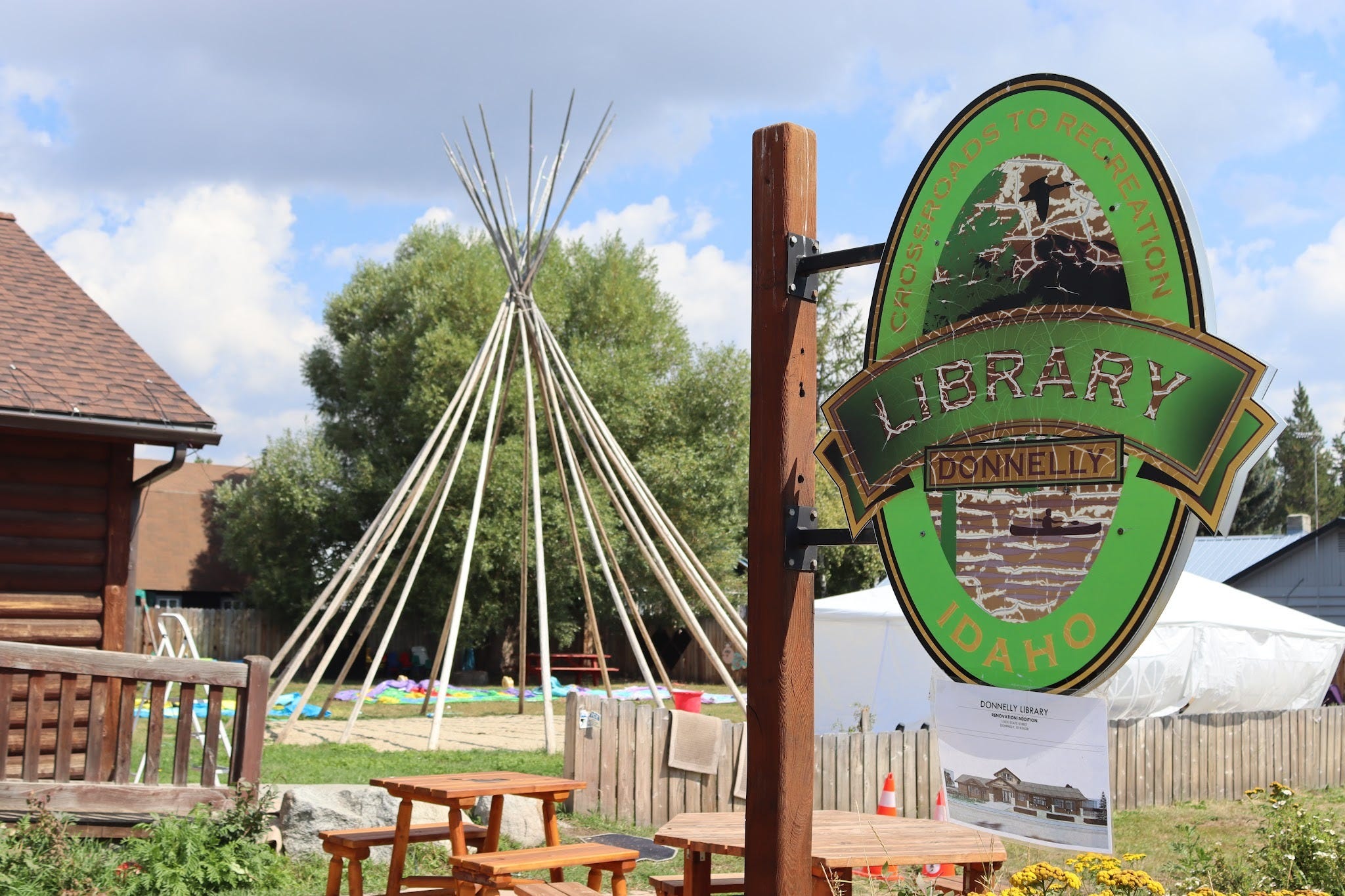
Thirteen miles north of Donnelly’s single-room library, the city of McCall recently erected a brand new, $6.5 million two-story library building. “It’s a story of the haves and have-nots,” Sherry Scheline, the Director of Donnelly Public Library, said of the disparity between the neighboring libraries. Of course, it’s sadly no surprise to find such inequality in America, but how does it affect rural libraries and the communities they serve?
Donnelly’s library was formed in 2018, when the town voted to create a new tax district and a local couple donated the log cabin building. Before that, if Donnelly residents wanted to go to a library, they had to pay $55 a year to access the McCall library—a price too high for many locals.
But despite serving only 20% fewer people than McCall, Donnelly Public Library’s tax money only affords them around 12% of McCall’s budget and 20% of McCall’s space.1 That disparity is largely due to economic inequality: more than 45% of Donnelly’s residents live below the poverty line, while only 20% do in McCall, a town which has recently become a resort for the outdoor-oriented wealthy.2
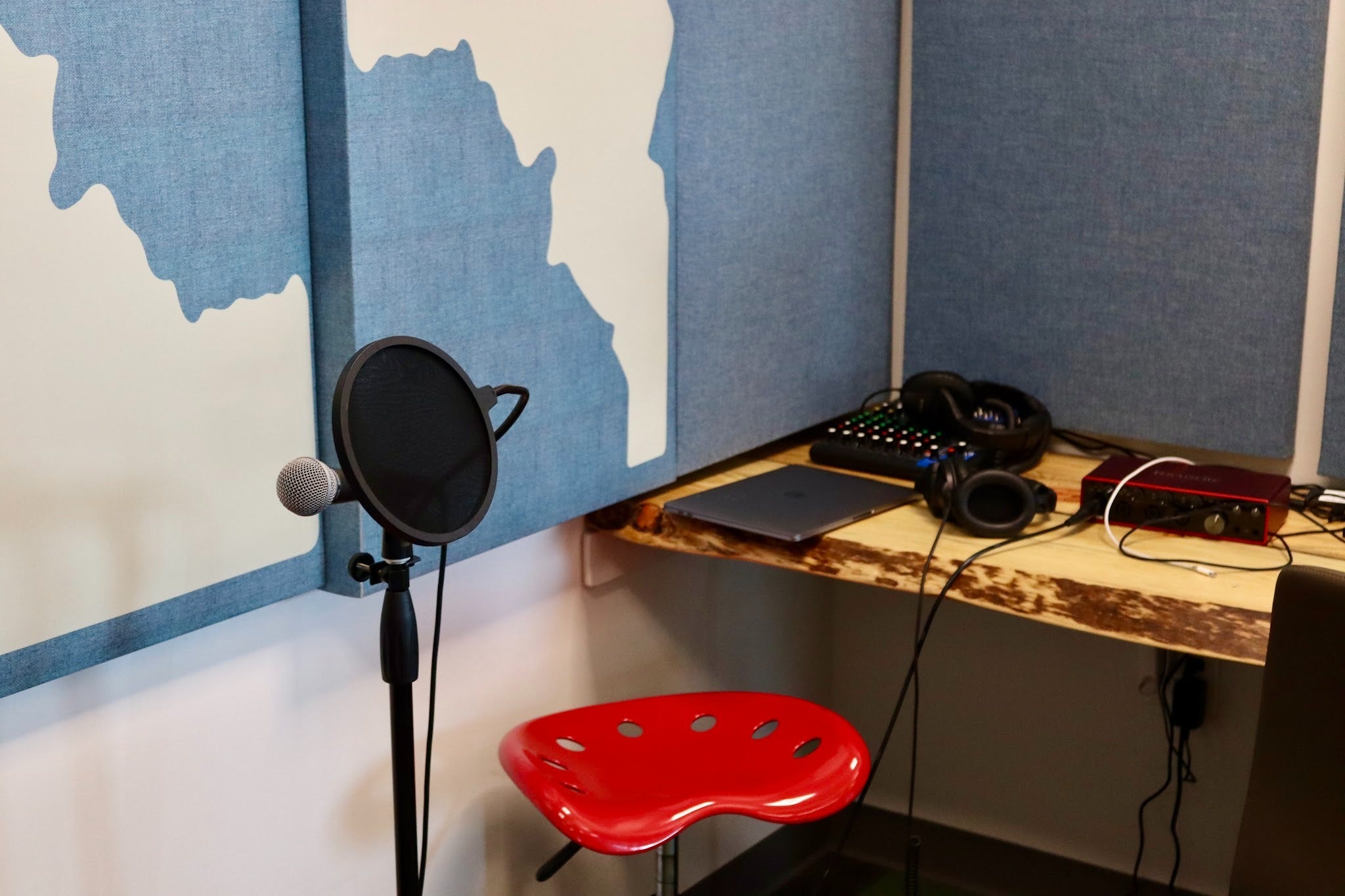
Because the majority of a library’s funding usually comes from the local constituents—both from taxes and donations—libraries in poorer rural areas are likely to have the smallest budgets. In practice, this means that the libraries with the fewest resources often serve the populations who rely most on free services.
In Donnelly, where the library runs the only afterschool childcare in town, access to the library can mean that a child doesn’t go hungry. Sherry told us about the issue of the “Saturday-Sunday gap in school food.” When she noticed children coming into the library hungry, she got a grant for a refrigerator to provide food for children in need. “Libraries are bridging food insecurity gaps that we don’t even know we have,” she said.
“Libraries in rural communities are everything institutions,” Sherry told us. “In Boise,” she explained, which is the largest, wealthiest city in Idaho, “you have unemployment offices, immigration services, health and welfare offices, therapists, senior centers, tutors, after school programs, and tourism offices. In Donnelly, all of those needs are served by the library. Libraries are the only institution in rural communities.”
For the past few years, Sherry has been trying to expand her library beyond its 1,024 square-foot room. Aside from limiting the space the library has to store books and put on activities, the cramped size is also the main reason why the library has had to consider all of its material ‘adult’ and thus require children’s parents to waive their child’s rights upon entry. Meanwhile, McCall’s two-story building has afforded them sufficient space to separate children’s and adult materials to continue to serve children without barriers.
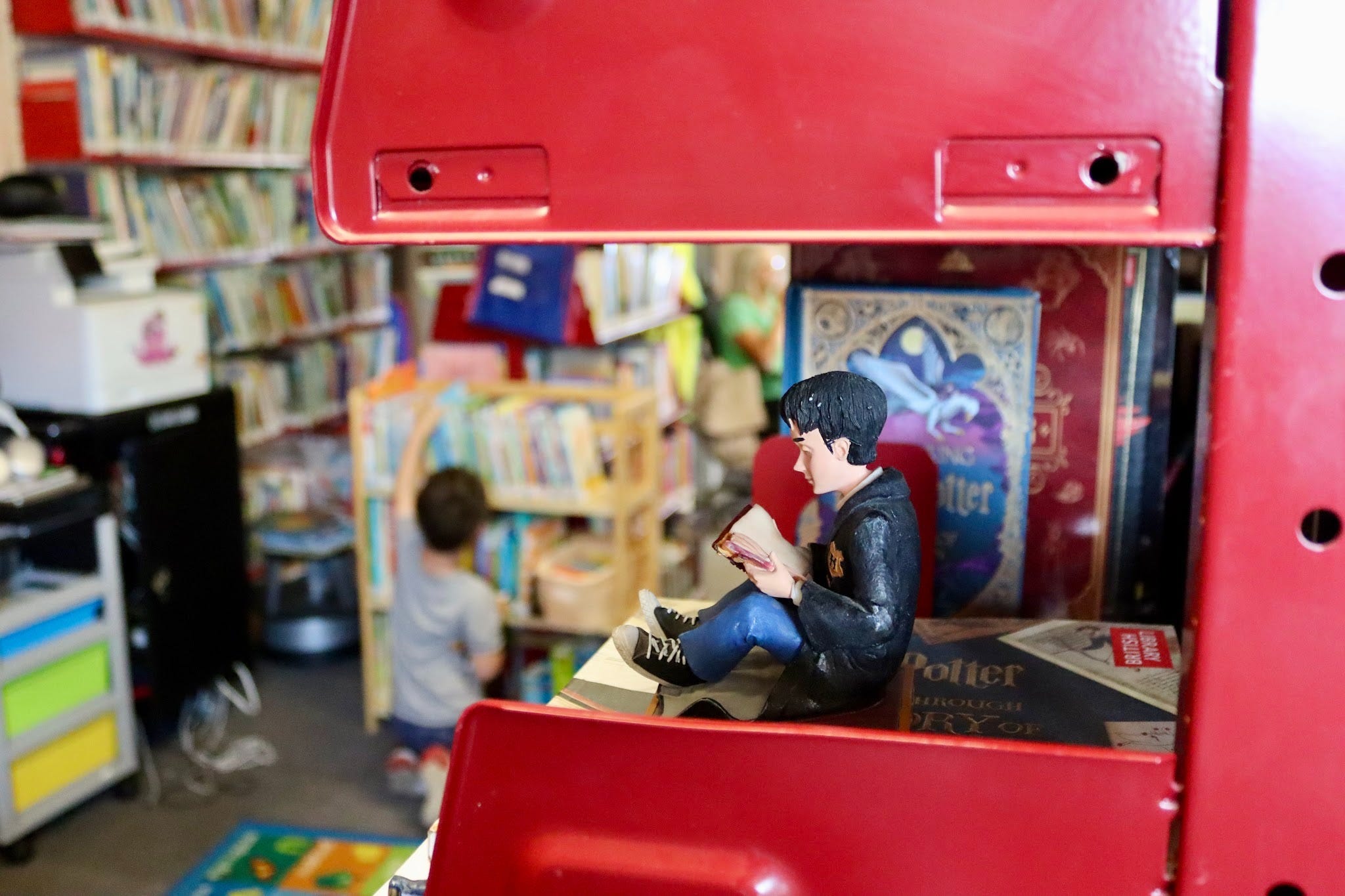
While it has been relatively easy for Sherry to drum up grant money for flashy miscellanea like VR headsets, iPads, American Girl dolls, a bouncy house, inflatable pools, and a $5,000 telescope—all of which you can check out from Donnelly Public Library’s “Library of Things”—it has been almost impossible for her to find infrastructure money to expand her library. Unfortunately, instead of being able to triple the size of her library as she would like to do, last year, Donnelly Public Library lost half of its space when their outdoor tee-pee classroom ripped and was too expensive to repair. “Library money is very hard to come by in any capacity, but building funds are the hardest,” Sherry told us. “The truth is that small and rural libraries desperately, desperately need money—not just in Idaho, but all across the United States.”
This January, Sherry started her yearlong term as the President of the Association of Small and Rural Library (ASRL). “I don’t want to just have conversations with my legislators about book banning,” she said. “I want to be at those tables to remind them that small and rural libraries need money. When things like IMLS [the Institute of Museum and Library Services, the federal funding body for libraries] are being stripped and we are taking money away from big library projects or broadband, that hurts libraries. Now I have to take money away from programming to pay for broadband. I want Washington to know that you have to fund libraries from the top down, not just locally.”
Chronic underfunding has made it difficult for Donnelly Public Library to embody Sherry’s vision for what a library should be. “Libraries are the great equalizer,” she said. “We’re the only place in Donnelly where everybody can come, no matter their age, religious affiliation, financial status, race, or gender. In rural and small libraries across the United States, it doesn’t matter where you come from, what your background is, or how much money you have, you can gain from the library.”
Unfortunately, however, the benefits that libraries can offer is often dependent on the financial status of the surrounding community. And in Donnelly’s case, not having enough money to build a space large enough to separate children’s and adult material has created an age barrier at the library.
The upshot is that rural libraries that serve communities who need the most support from the library are often the ones with the fewest resources. Rural libraries often step in to provide essential services that are otherwise inaccessible to rural communities. They play a critical role in addressing issues like food insecurity, gaps in childcare, and fulfilling services like immigration and unemployment support.
Sherry hopes that raising awareness about the under-appreciated, yet essential role of libraries in rural communities will help her raise state and federal funding. As ASRL President, she wants “to make people aware that small and rural libraries are anchor institutions that are an absolute necessity.”
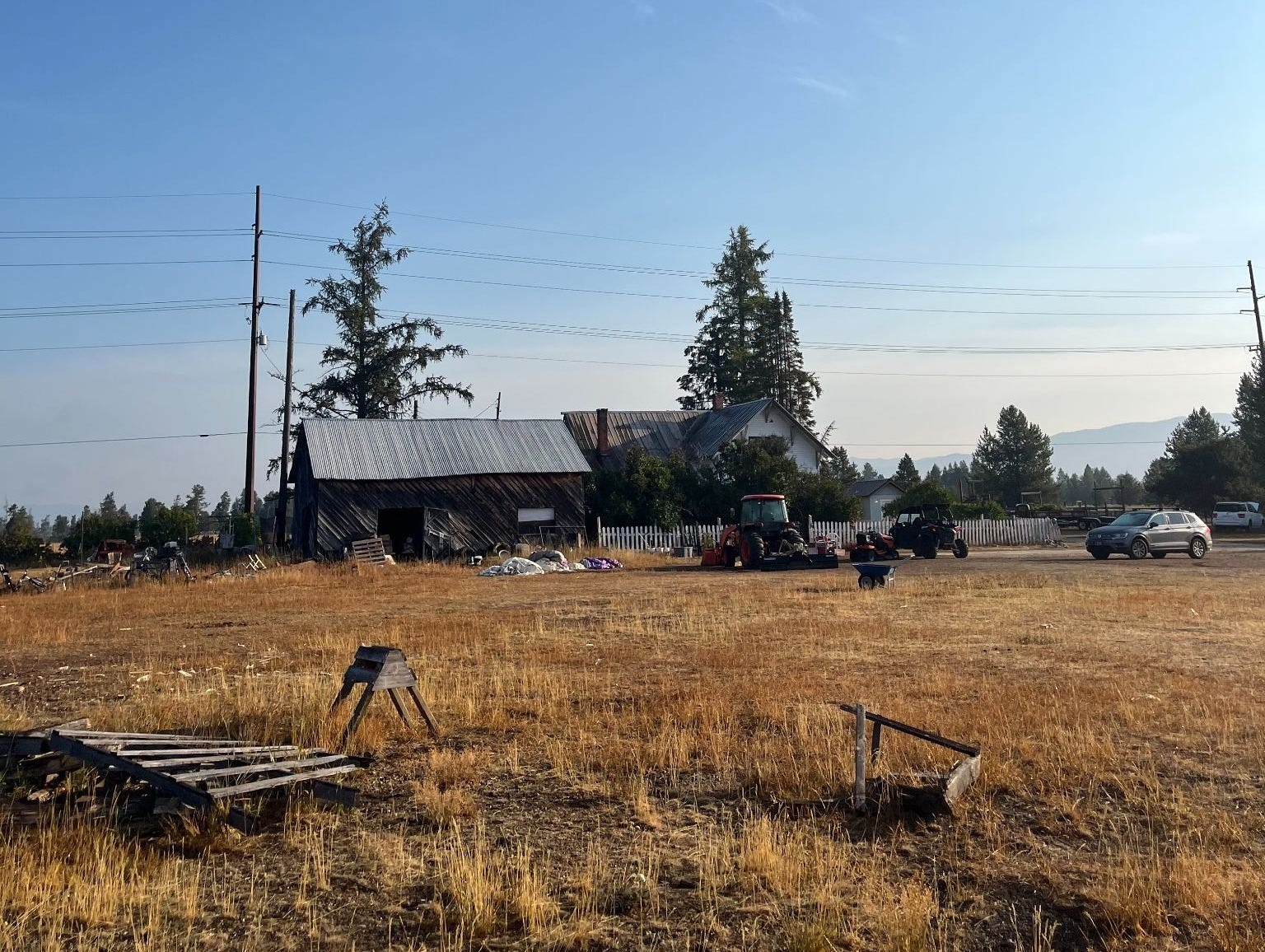
We spent the rest of the day in the library, chatting and listening as locals came and went: picking up books, joining the afterschool program, or just saying hello. When evening came, we hopped in our car and followed Sherry home to her family ranch, where we had been warmly invited to pitch our tent for the night. After family dinner and a sunset swim in the nearby river, we turned on our phone flashlights and made our way across the field to our tent, our steps quickened by the sounds of coyote howls that had begun to crescendo. Bundled up in our sleeping bags, we reflected on the complicated emotions that had welled up during our incredible day in Donnelly. Witnessing Sherry’s strength and deep commitment to community service was heartening and inspiring, but the hardship she had to endure and the battles she was forced to fight left us dismayed. But with her community behind her, a court case to fight, and a national platform for small and rural libraries to stand on, we left the next morning in the misty early light confident and excited for the future of Donnelly and its mighty log cabin library.
Carmen Vintro
These calculations are based on the state of Idaho’s 2024 report on public libraries (https://libraries.idaho.gov/knowledge-base/welcome-5/#public-library-statistics), which lists McCall’s legal service population of 4,053 with an annual operating revenue of c. $600,000 and a 4,880 square foot building. Donnelly’s legal service population is 3,195 with an operating revenue of c. $70,000 and 1,024 square feet.
CensusReporter, Donnelly, ID, https://censusreporter.org/profiles/16000US1622330-donnelly-id/#:~:text=46.1%25%20Persons%20below%20poverty%20line