
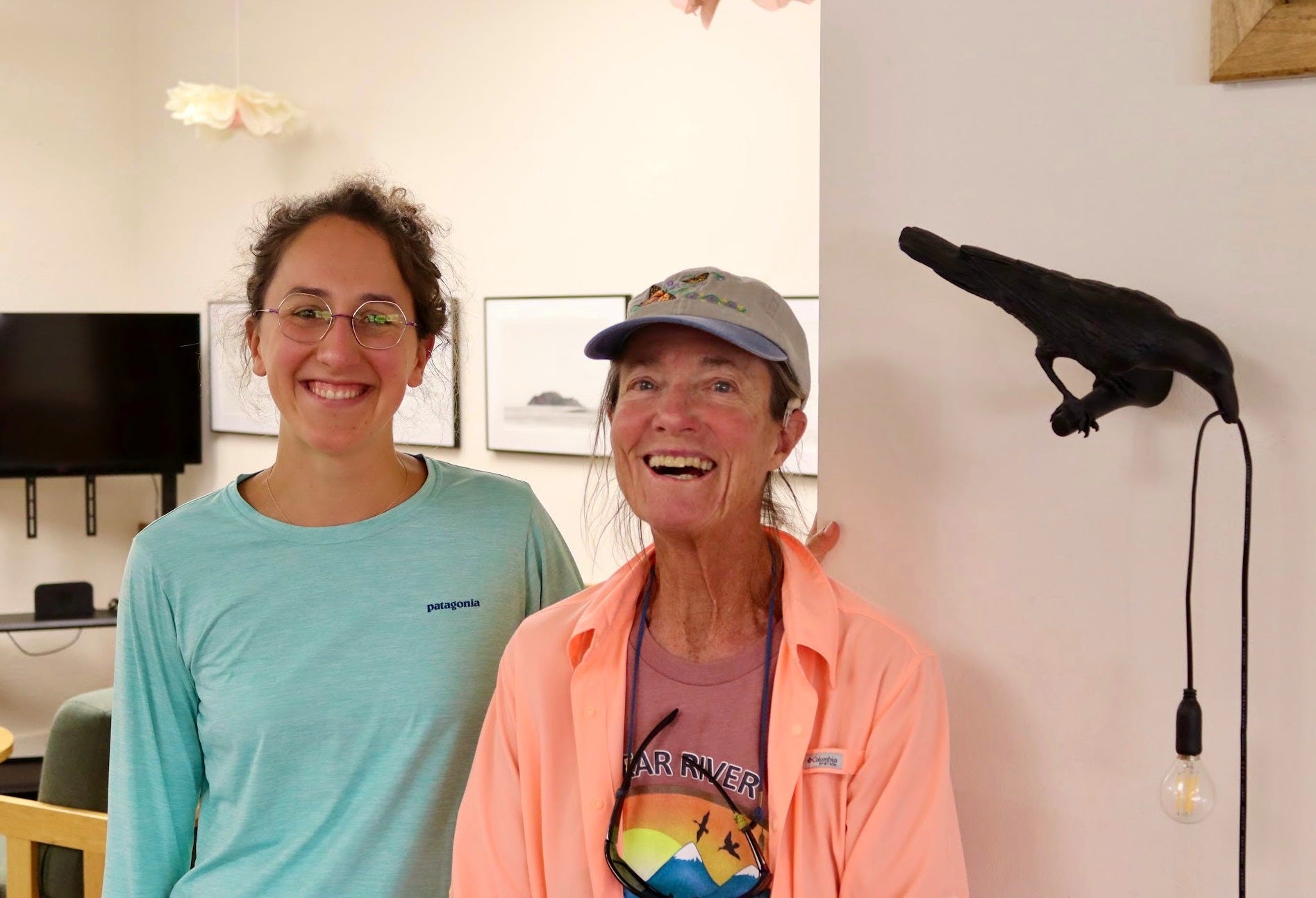
“Quick! Look there!” Guida said to me as she pointed into the dense pine forest that surrounded the trail. I stopped behind her to peer through the branches and spotted a plump grey bird with a distinctive white head. “It’s a Grey Jay,” she announced with excitement.
Guida and I were on a hike with West Yellowstone Public Library’s women’s walking group, which meets every Wednesday to walk in the nearby forest. From the moment we set foot in the forest, Guida proved to be the best walking partner I could have asked for. As we passed under different tree species, heard bird songs, and stopped for chipmunks crossing the trail, she couldn’t help but share some of the enchanting facts and anecdotes about our natural surroundings, which she had gathered over her 47 years as a Naturalist in Yellowstone National Park.
“Time moves more slowly here than where you’re from in the Pacific Northwest,” she told me. Because the climate is so arid in Yellowstone, she explained, centuries-old trees look like thin, young saplings. “And that decaying log over there,” she said, motioning to a tree that looked like it had fallen last week, “could be 200 years old.”
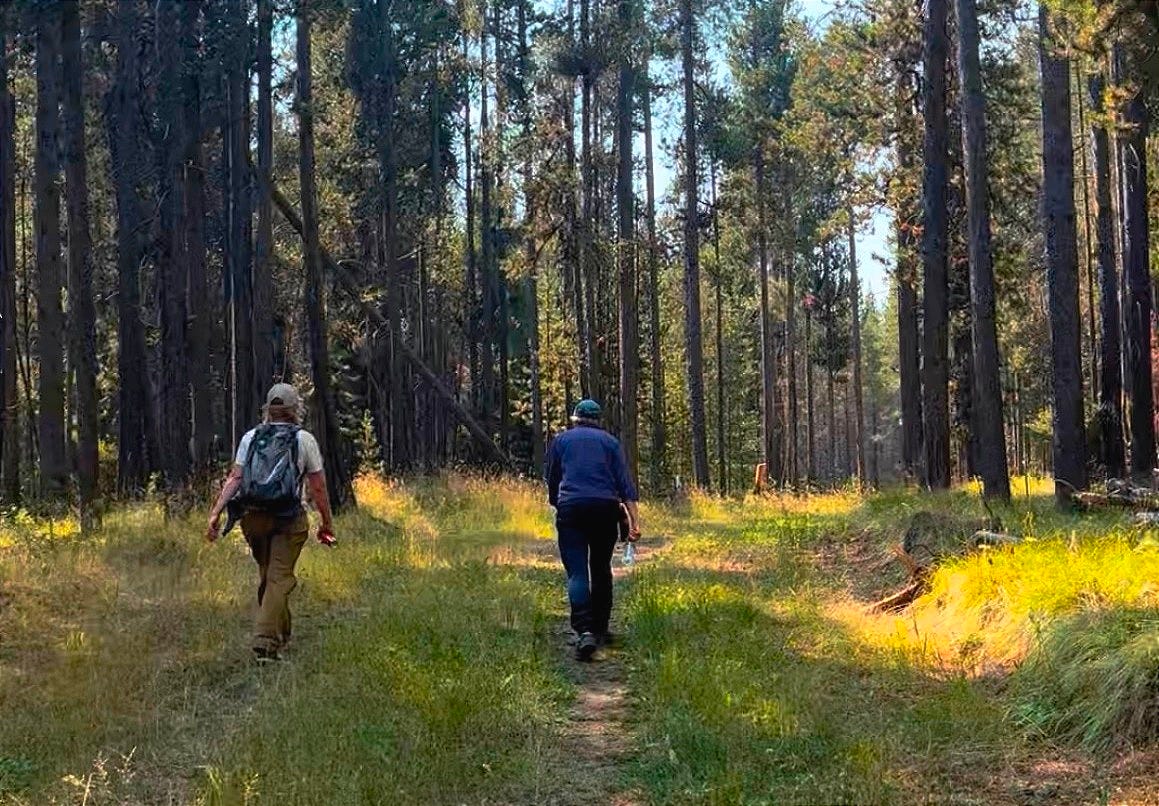
From the wear on her hiking boots, the easy-access water bottle looped onto her belt, and the clink of carabiners on her backpack, I could tell that this kind of hike—short and on-trail—wasn’t Guida’s usual jam. Nevertheless, she told me, she frequently joins the hike to support the library’s efforts to get women outside.
Located at one of the five main entrances to Yellowstone National Park, the West Yellowstone Public Library helps bring locals closer with the spectacular natural world at their doorstep. “So many kids in West Yellowstone are so near to nature but they never get to experience it,” Michele DesRochers, the Library Director, told us.
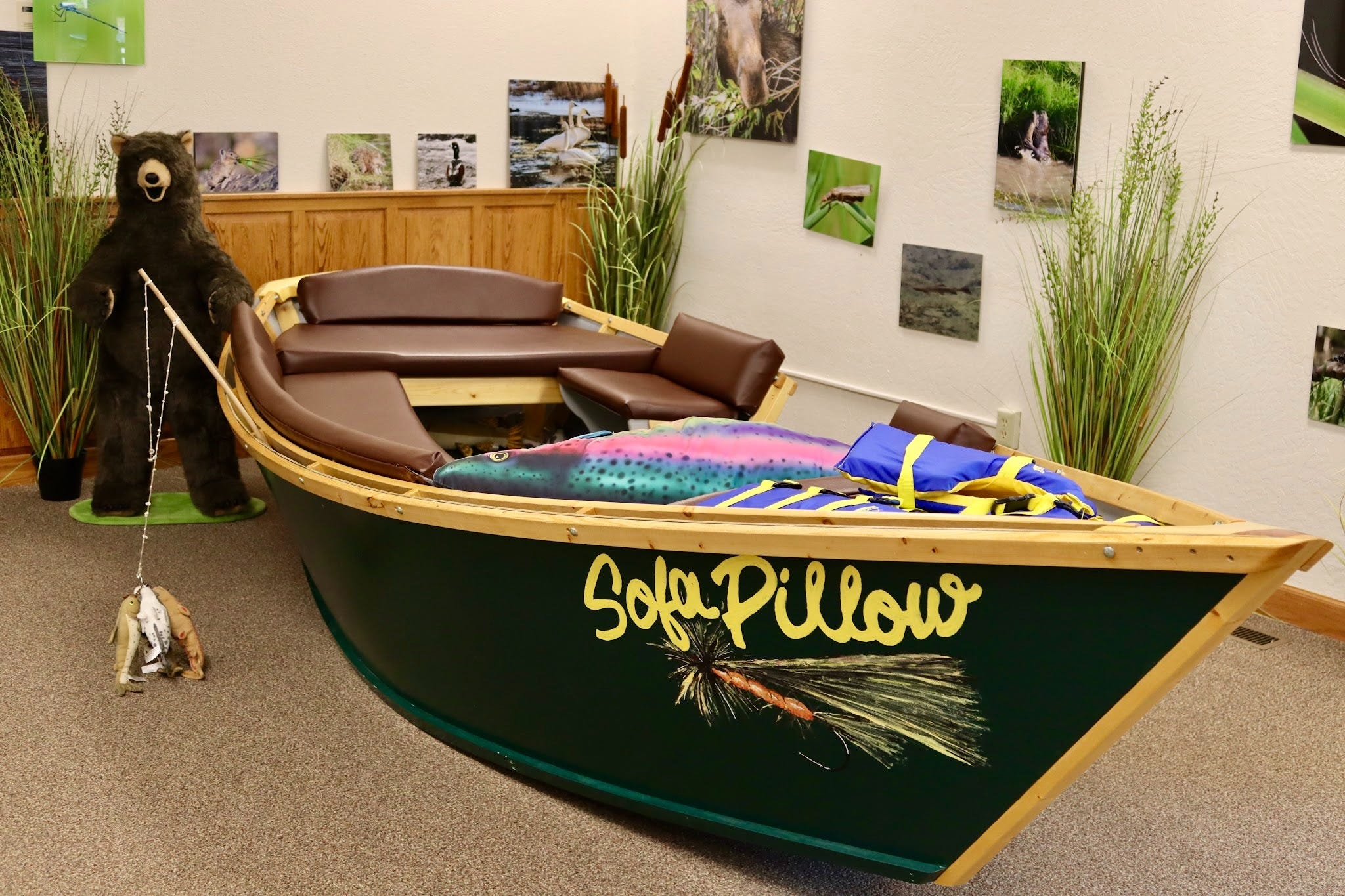
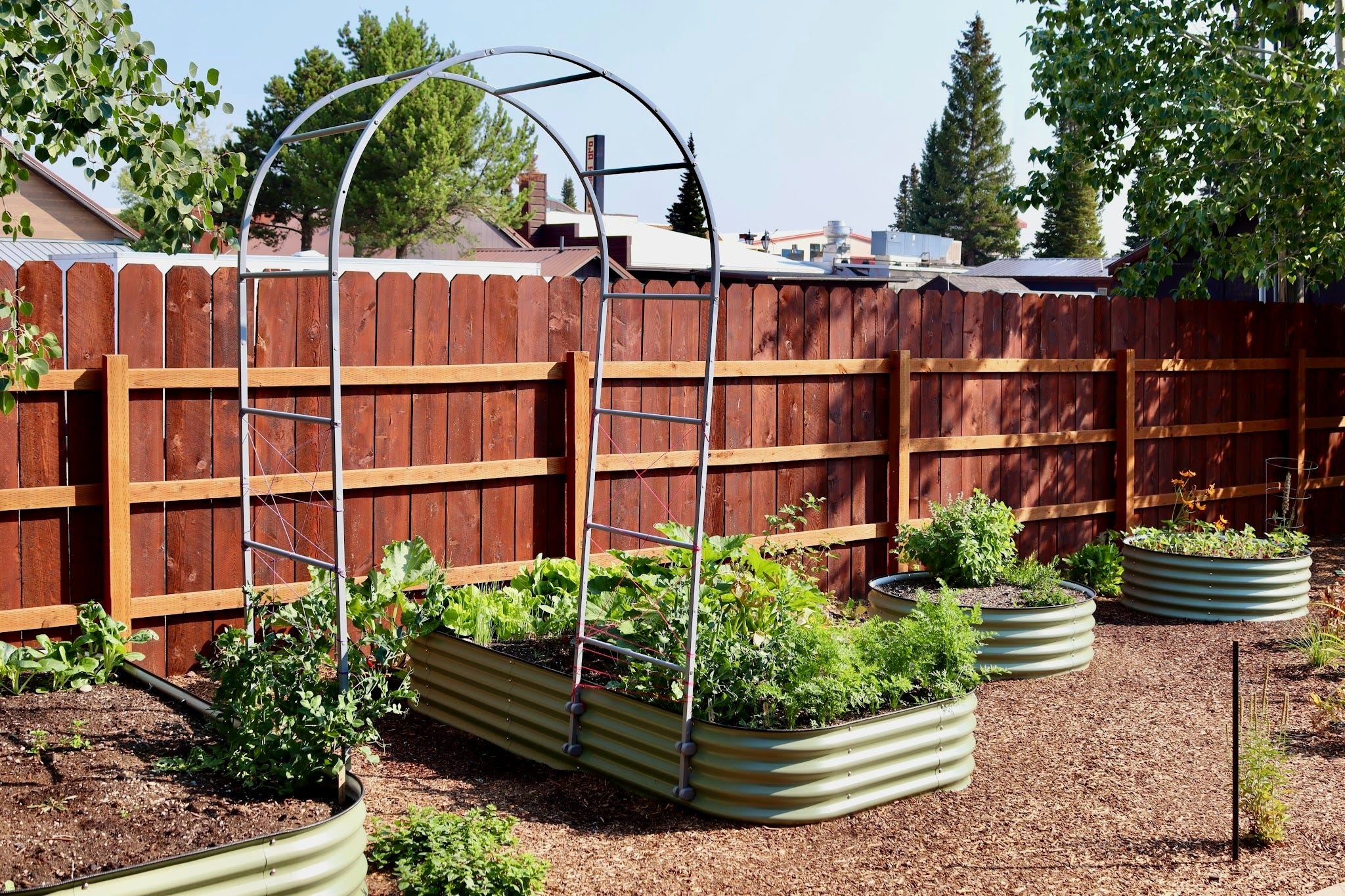
A life-size fly fishing drift boat that sits in the library, announces the library’s commitment to getting kids involved in outdoor activities. On the boat, Michele told us, kids have the chance to get interested and practice fly fishing, an activity that is integral to the way that locals spend time in nature. At the library, children can also find a specially curated selection of books about nature that is designed to complement their outdoor learning classes at school. And this summer, children had the chance to learn how to garden in a hands-on library activity where they planted vegetables in the library’s new planter in the back garden.
Patrons who come into the library to check out a book might stumble upon an exhibit about grizzlies, wolves, or otters, which rotates throughout the year. Walk a few feet further, and they’ll find themselves at the door of the “Montana Room,” a room entirely dedicated to learning about and exploring the local landscape and its flora and fauna. Inside the Montana Room, patrons can find and check out hiking guides, local histories, geology and biology books, and more. Samantha, one of the librarians, said that the gem of the Montana Room is its fly fishing collection, which is the largest in the area behind only the University of Wyoming and Montana State.
On the women’s walk, I asked the librarian, Megan, why she created the group. “It can be scary and unsafe for women to go hiking alone, especially here because of the bears!” she explained. “The group helps women be able to explore the amazing natural setting we’re in without fear.”
At this point, I noticed that Megan, Guida, and Dorothy, our last member, all had bear spray attached to holsters on their pants. West Yellowstone was our first stop in bear territory. Despite the many public safety signs directing people to be “Bear Aware” and carry bear spray, I had still managed to make it obvious that I wasn’t from around these parts. The collective safety of the women’s group proved itself to me as I sighed in relief that my comrades were all equipped to defend us.
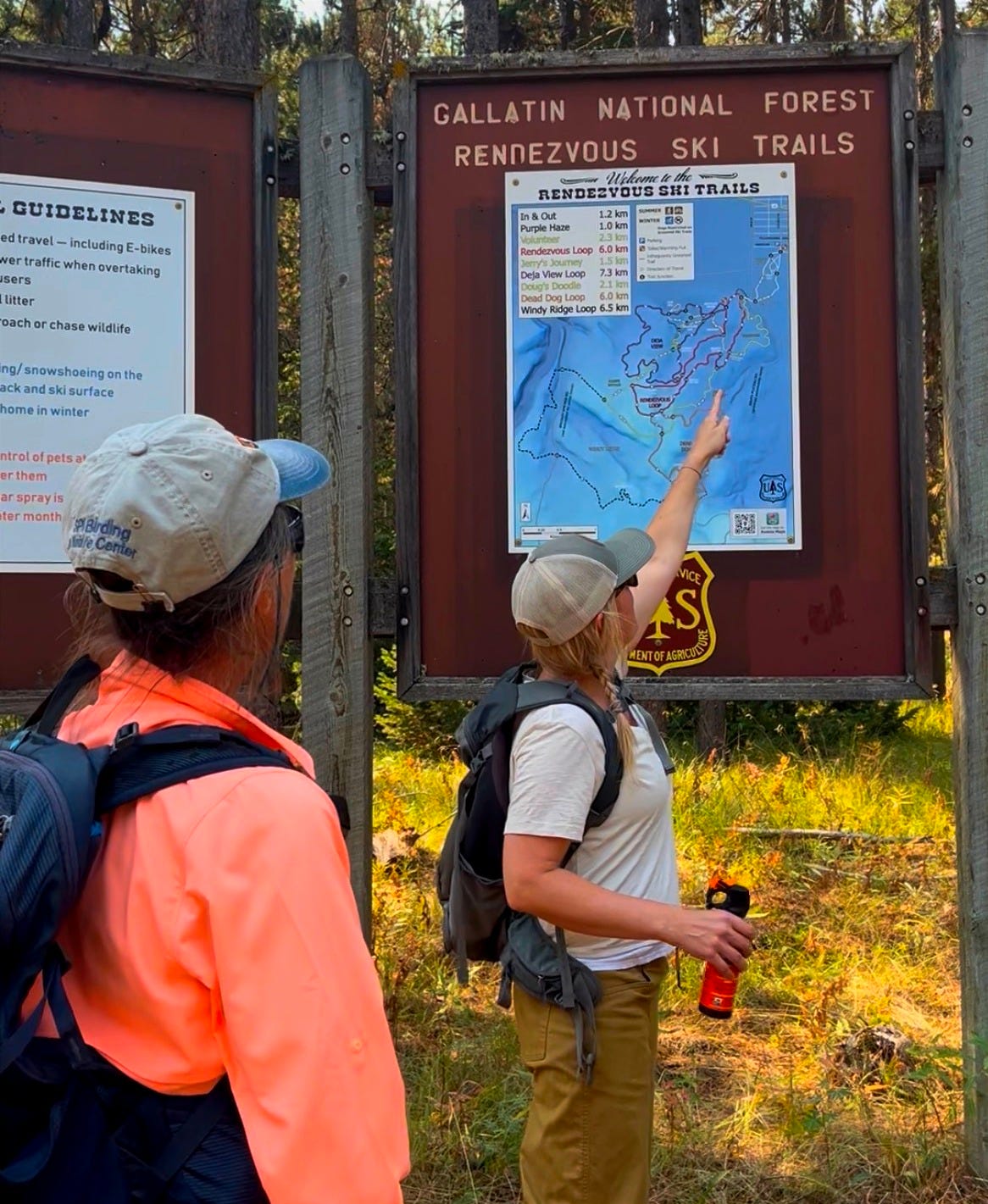
We took the long way around—supposedly, we were fast walkers—and Guida chatted with me about the feminist mystery book series she is obsessed with and the time she led a hike to the summit of a peak in the park during the forest fires of 1988. “You could taste the smoke!” she exclaimed, adding, “it felt like we were on an island in a sea of black.”
As we walked, Dorothy started gathering bits of trash that littered the trail. We all pitched in and almost filled her backpack’s water bottle holder with litter. Dorothy appreciated the support: “whenever I move to a new place, I always seek out the library. It’s a haven of sanity. You find like-minded people at the library.”
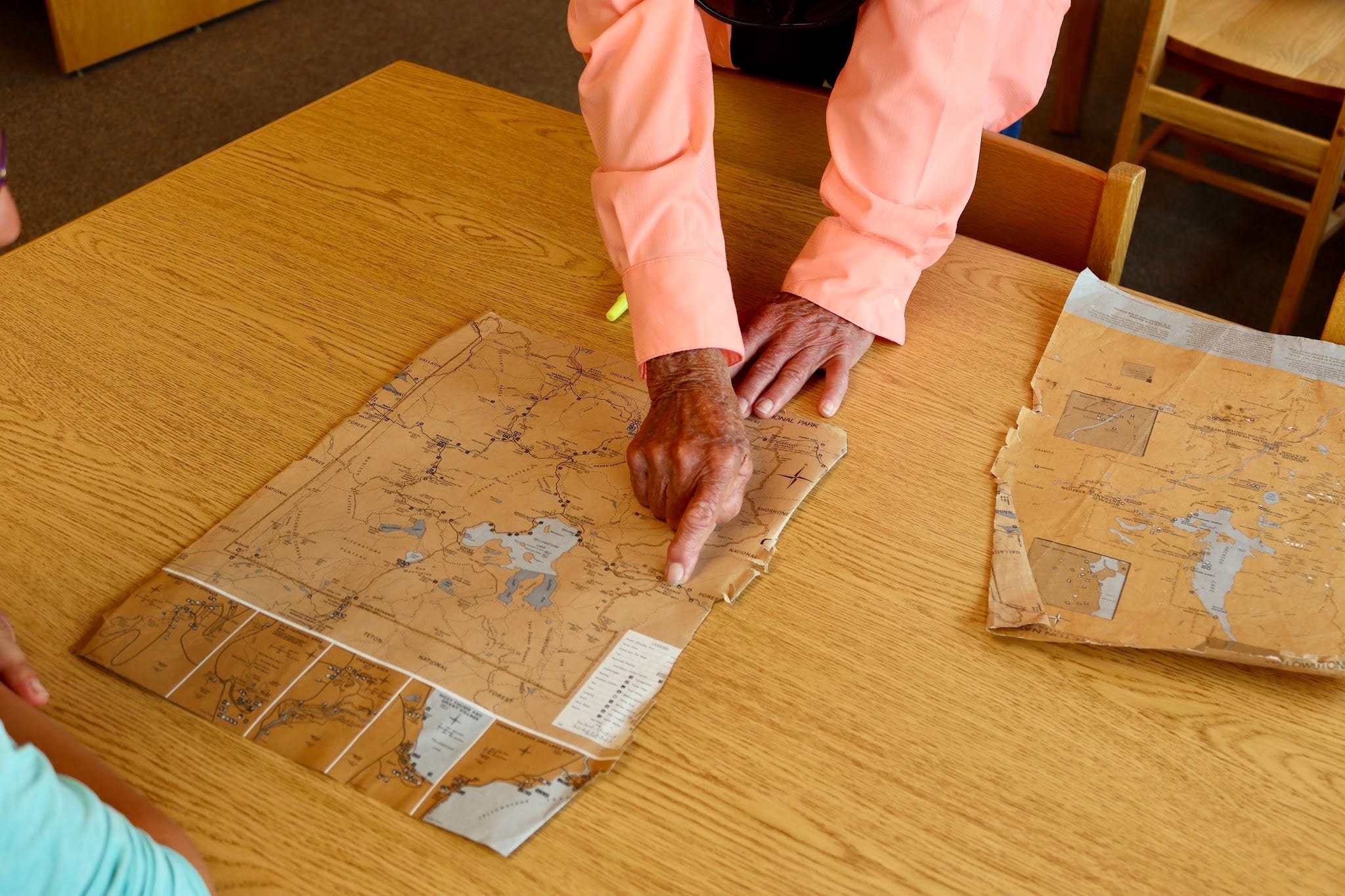
Later when we returned to the library from the hike, Guida sat Oliver and I down at one of the communal tables in the talking area and pulled out several large, yellow-tinged maps of the park that looked like they were at least 30 years old. Highlighter in hand, she circled the best walks, the hidden parking spaces at the Old Faithful inn, and which roads were closed to cars, but not to pedestrians. Needless to say, our stop at the West Yellowstone Public Library unlocked the beauties of the park for us during our two-day exploration of the park.
~
Carmen Vintro
To read more stories from America’s public libraries, subscribe to our Substack below, visit our website, and follow us on social media.