
Ding! The elevator doors slid open, but no one walked out.
The hairs on the back of Missi’s neck prickled and her heart beat quickened – she had thought she was alone in the library. Frantically, she looked around to see who could have called the elevator, but no one else was there. Maybe someone was pranking her, she thought, or maybe, it was the ghost. She had been in the ghost’s presence once before when she had heard a loud sniff, but no one else was in the library. It was dark outside and Missi was spooked, so she called her husband, the local sheriff, to pick her up.
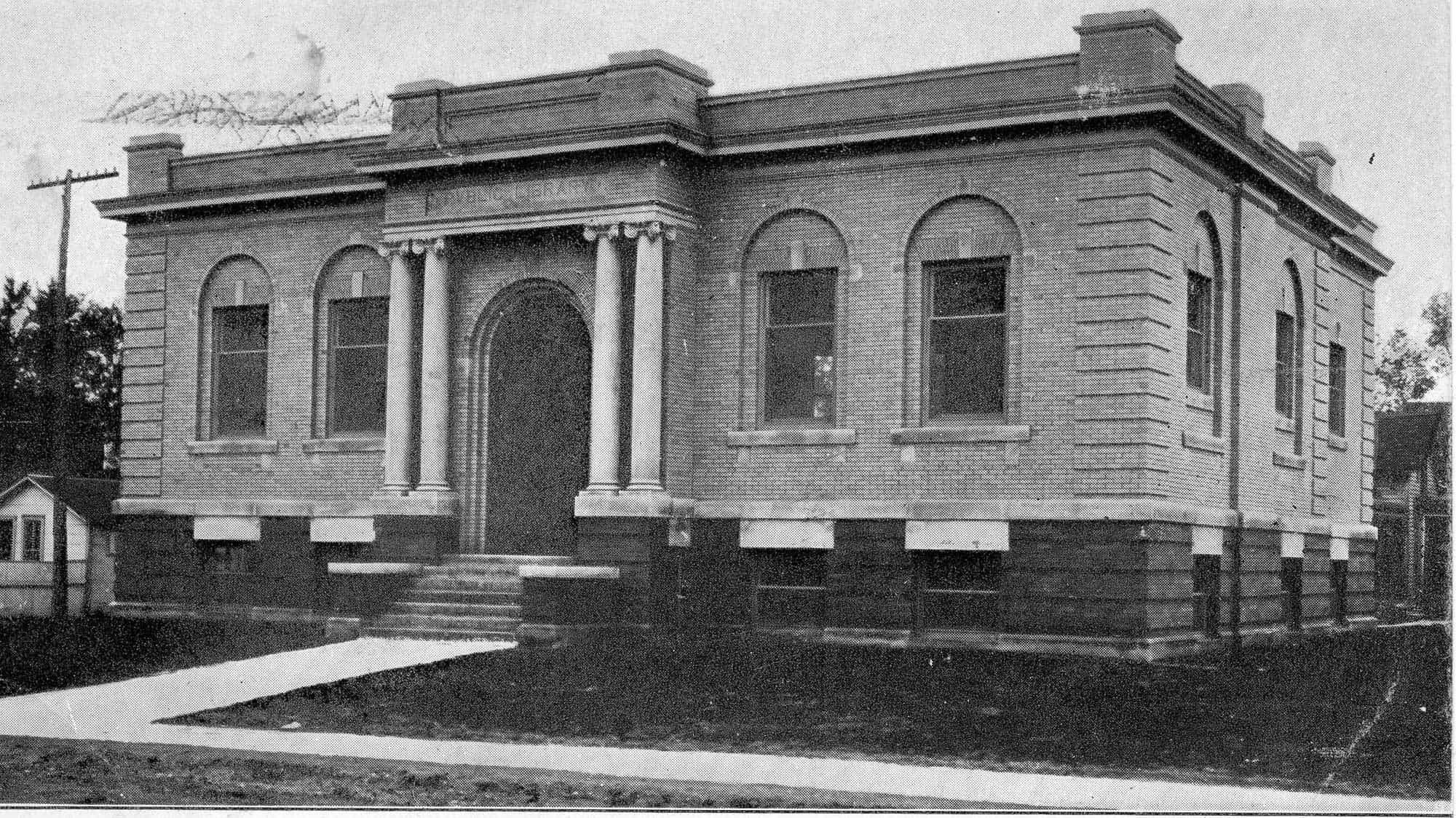
The Cherokee Public Library, where Missi is in charge of Youth Services, has the classic hallmarks of a haunted building: it is more than a century old and there used to be a mental institution nearby. Forlorn spirits, they say, are trapped in the building. What’s more, the Cherokee Library is a Carnegie library, meaning that it was built using a grant from Andrew Carnegie, an American steel magnate who famously funded thousands of libraries across the U.S. in the early 1900s. When we got in touch with Mark McDonald, a journalist who toured America’s Carnegie libraries, he told us that half of the librarians he’s spoken with in the 150 Carnegie libraries he’s visited told him that they had encountered a ghost in the library.1
But paranormal activity is not the only unusual business at the Cherokee library: the Library Director recently solved a cold case murder. In 1981, Cherokee local Chester (“Charlie”) Brown vanished out of the blue. The Sheriff’s Department opened a missing persons case, but they couldn’t solve it. Cherokee, Iowa is a small town with a population of less than 16,000, so when Chester went missing, everyone in town knew about it. In a wild stroke of luck, one community member happened upon Chester’s car in upstate New York. Everyone in Cherokee was convinced: he must have been murdered. But how?
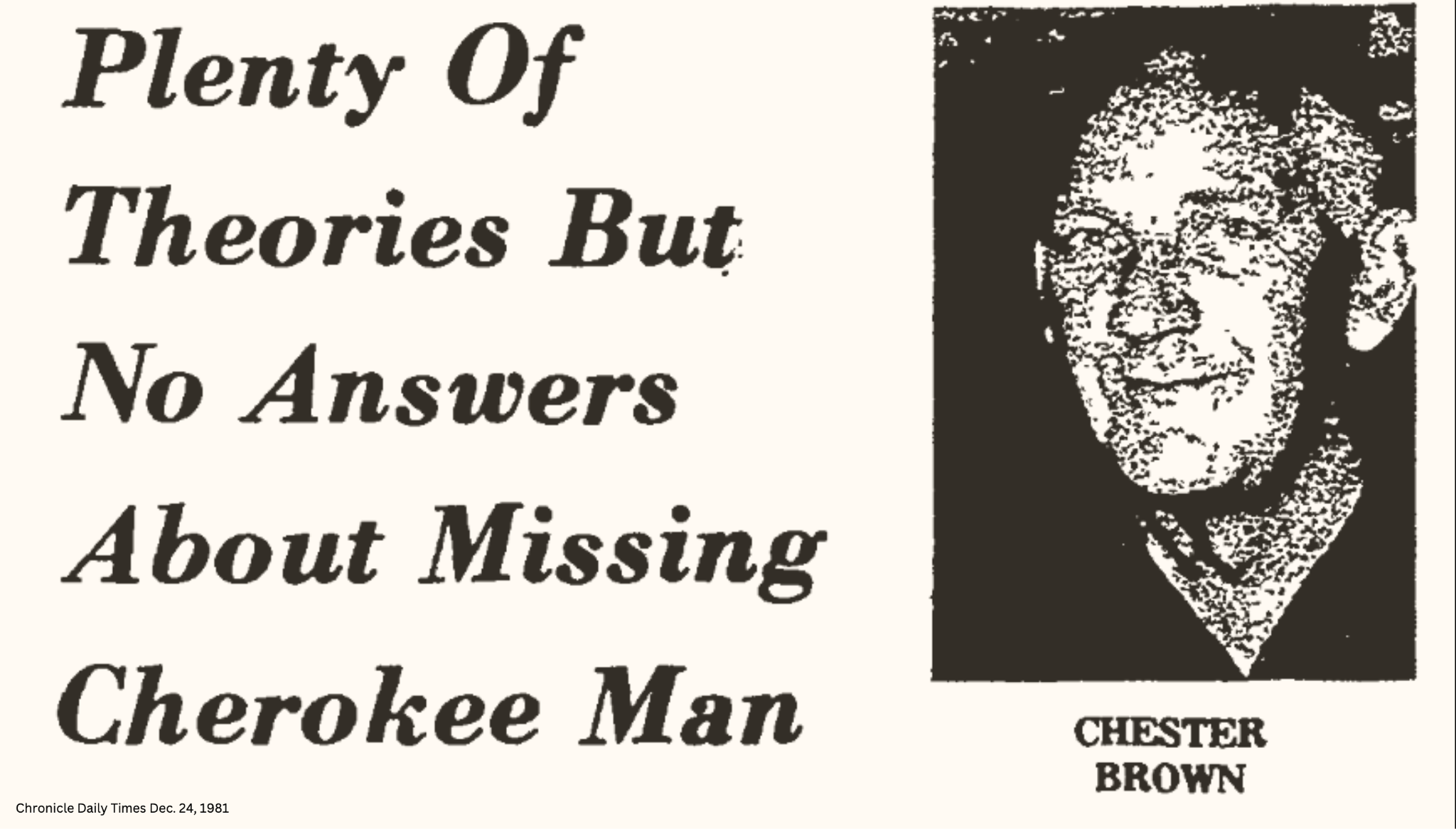
Chester’s alleged murder became urban legend. More than forty years had passed and no one had been able to solve the case. That is, until this year, when Library Director Tyler Hahn got chatting with a police officer who is a library regular. Tyler had been in the middle of a true crime podcast binge when the officer told him about the cold case. Chester’s mysterious disappearance, he thought, might be his chance to live out a podcast-worthy narrative and put his library science skills to work.
Tyler’s first stop was Cherokee library’s own historical archives. Like most libraries, the Cherokee library houses a collection of old newspaper clippings and other documents that contain the local history of the surrounding area. Using his specialist librarian skills to search through large amounts of material in the archive, Tyler found records of Chester’s disappearance, his military service, and his old address.
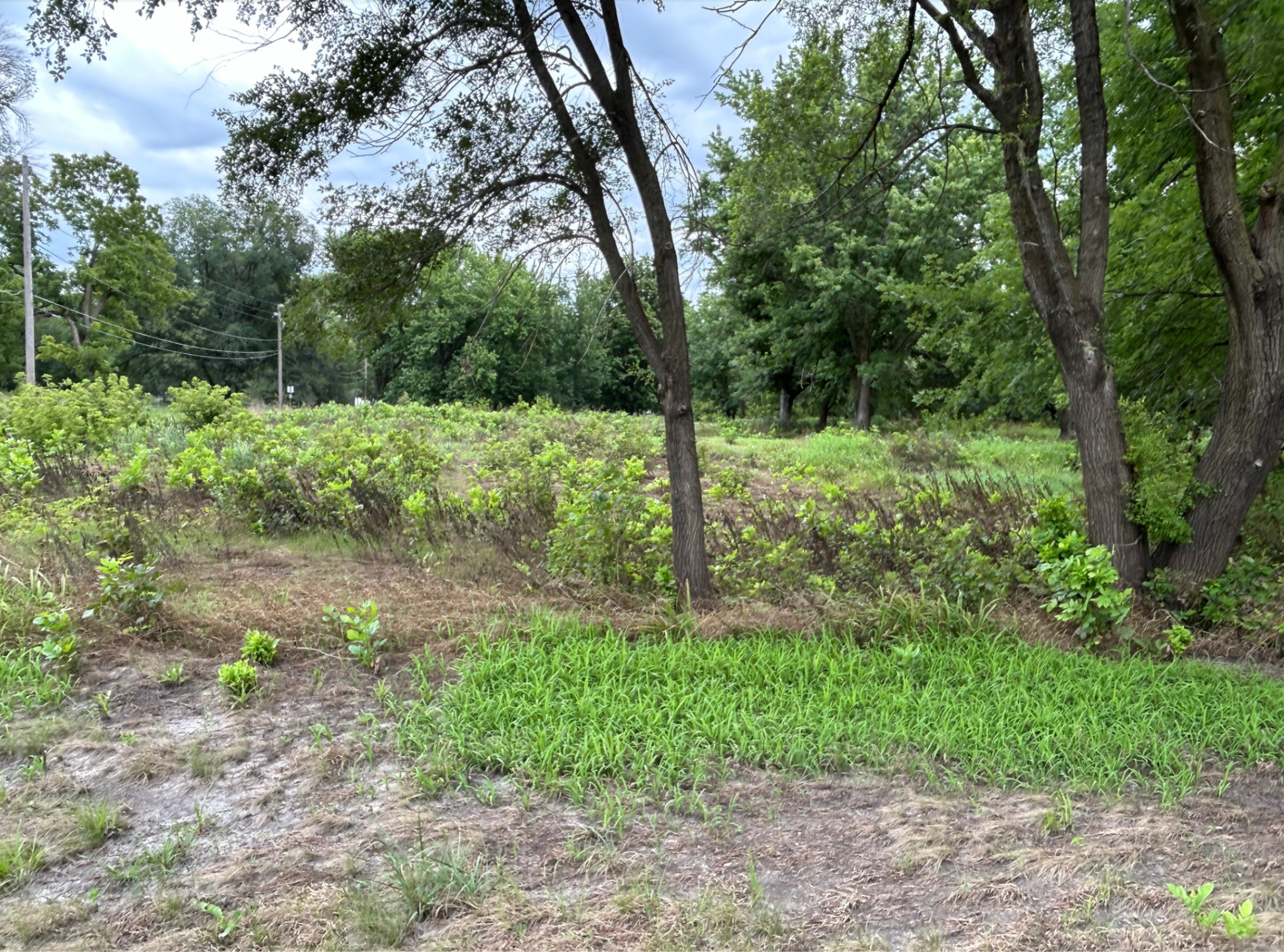
Armed with this intelligence, Tyler turned to the community for help. Chester’s old address no longer existed, so Tyler contacted various local historical groups and the local museum to find out where the house had been located. He wanted to know: had there been any unusual disturbance to the area? With the help of a local archaeologist and his gradiometer, Tyler found where Chester’s house had been before it was demolished. Unfortunately, no new insights emerged.
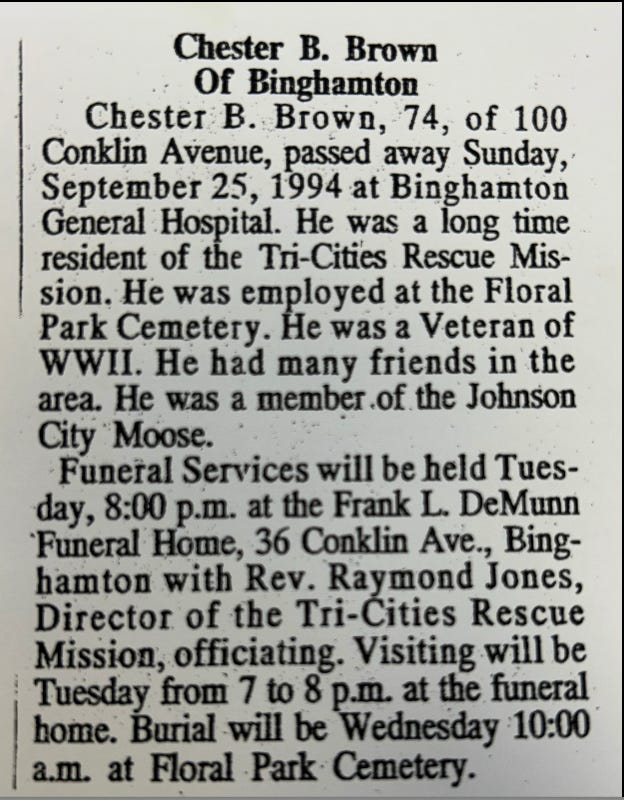
Finally, Tyler’s search revealed the answer: he discovered Chester’s obituary in a New York newspaper from the mid-1990s. Chester hadn’t been murdered; he had simply moved to upstate New York without telling anyone!
Tyler’s detective skills turned out to be useful in another criminal case involving the theft of clean laundry from the local laundromat. The library’s CCTV footage, it turns out, caught the thief red-handed when he began unpacking and refolding the items of stolen clothing inside the library.
The Cherokee Public Library might house ghosts of the past, but more importantly, it stores and preserves the record of Cherokee’s local history. Not only is the library an archive, but Tyler is living proof of how librarians are active stewards of this history who turn the archive into something relevant and supportive of the local community.
~
Carmen Vintro
To read more stories from America’s public libraries, subscribe to our Substack below, visit our website, and follow us on social media.
To read about Mark’s trip, see: https://www.carnegie.org/our-work/article/a-carnegie-library-road-trip/.