
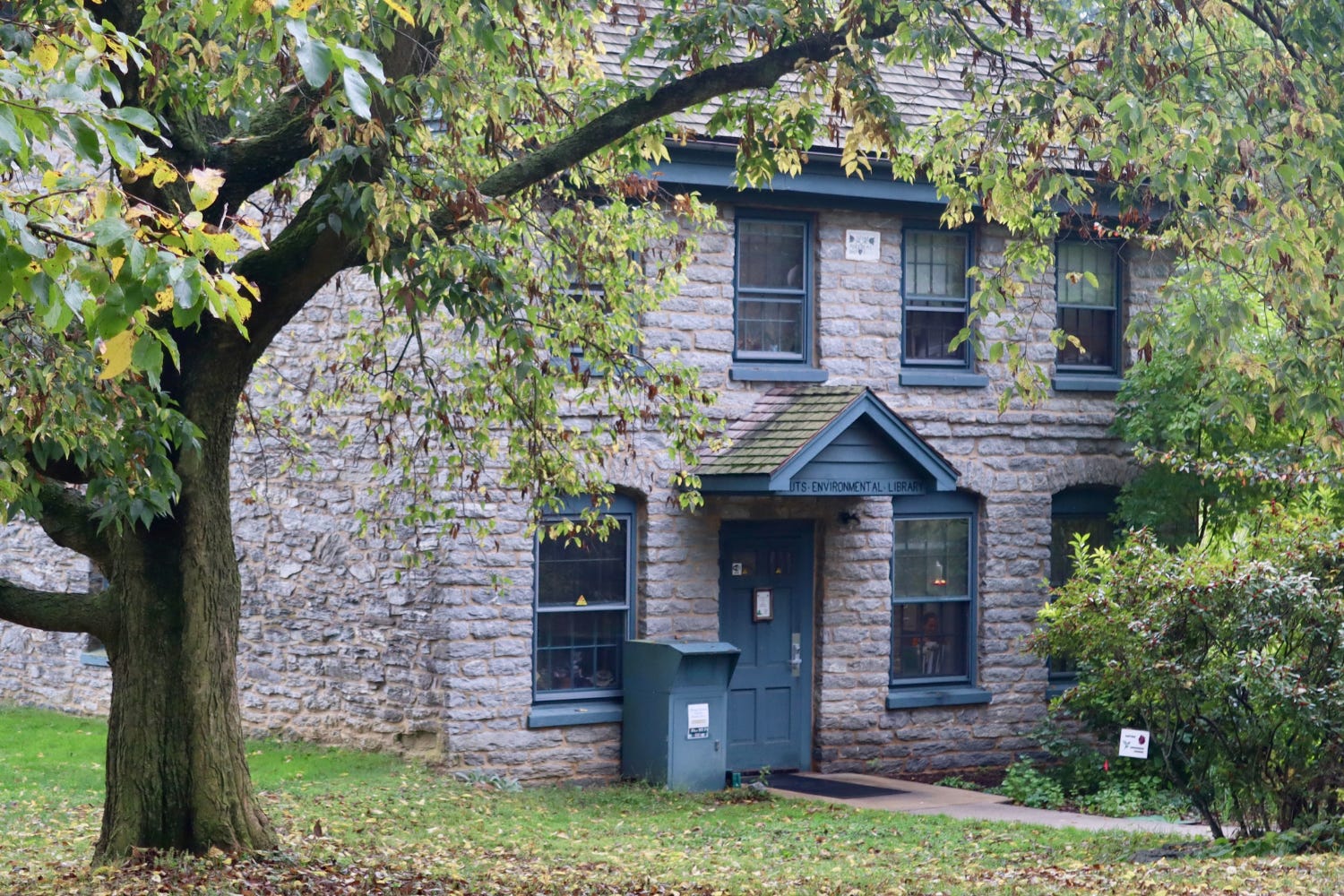
Carmen and I peered through the fog at the small stone cottage. A sign outside read “Camping Area” – are we in the right place? I thought. But sure enough, when we opened the dark green front door to Shuts Environmental Library, the neatly stacked books, tidy displays, and meticulously labelled shelves confirmed it: there were librarians at work here.
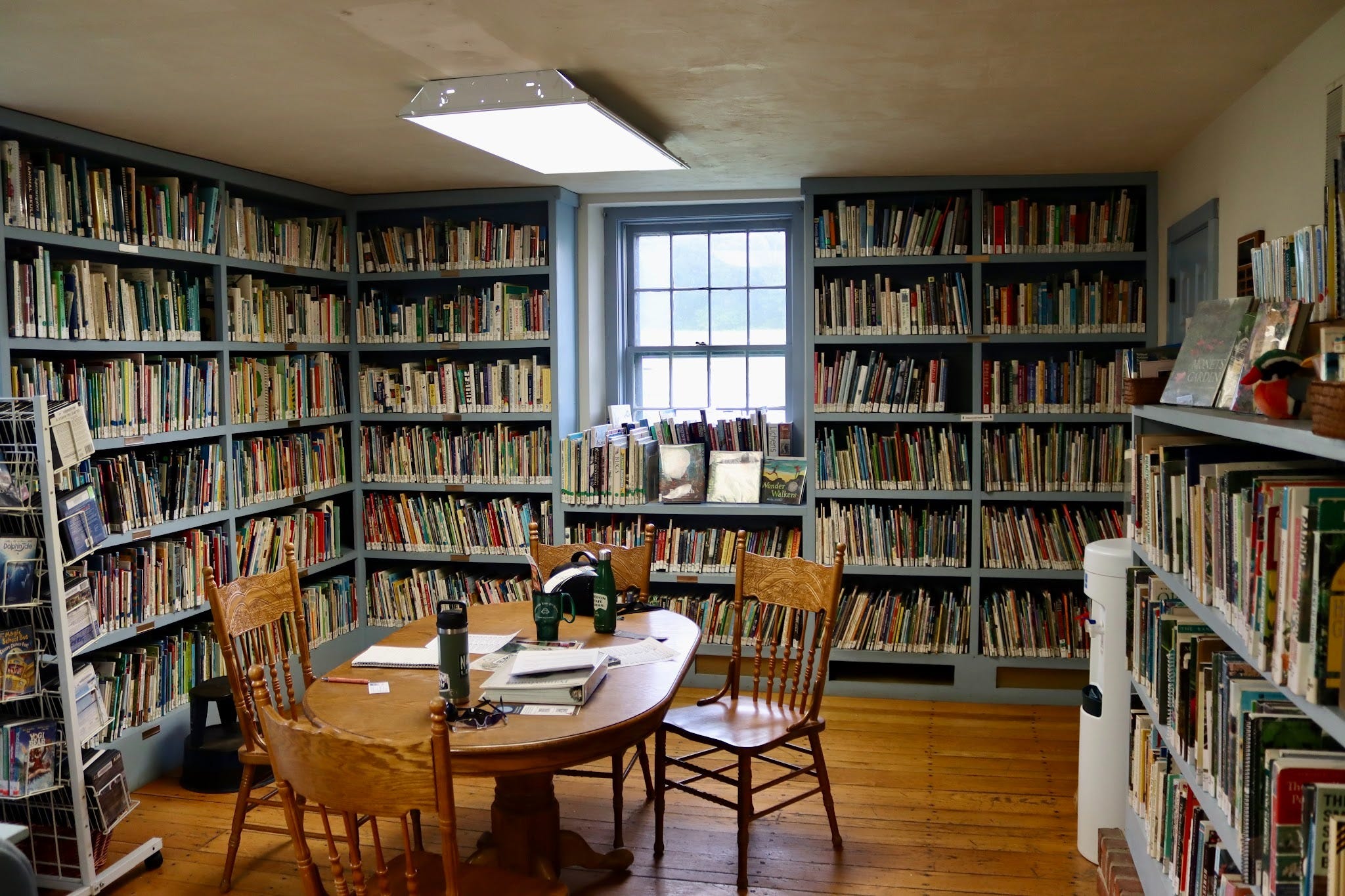
Yet walking into Shuts was a profoundly different experience from entering any of the other 25 libraries we had visited on our cross-country trip. The usual labels – Young Adult, Science Fiction, and my personal favorite, Romance – were nowhere to be seen. Instead, over 4,500 field guides for North American plants and animals, gardening books, natural histories, biology textbooks, and Native American histories are squeezed into every inch of the one-room library’s walls.
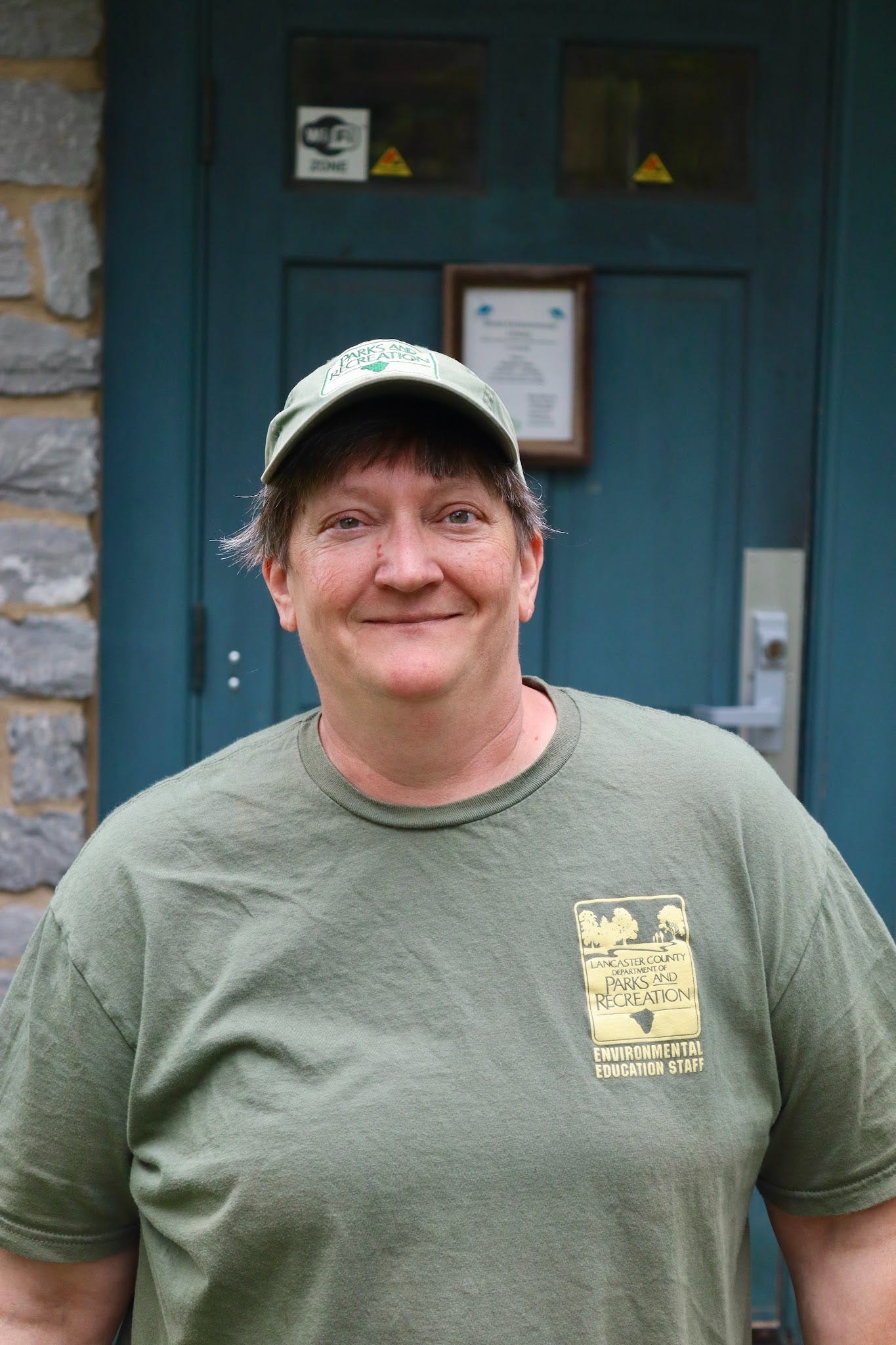
Shuts is one of the only public libraries in the U.S. with a collection and programming designed almost exclusively to foster and promote environmental education. “We teach science and nature – the two best things in the world,” said naturalist-librarian Lisa Sanchez, as she welcomed us in.
The library’s unique mission comes from its unique history. Built in 1769, the farmhouse that is now occupied by the library was once the home of a gunsmith named Andreas Shuts, who produced rifles for the Continental Army during the American Revolution. The site was acquired by the Lancaster County Parks and Recreation Department in 1972 because it sits inside Lancaster County Central Park, Pennsylvania, which, at almost 560 acres, is the largest park in the county. Initially, the Parks Department stocked the shelves with staff training materials like maps, ornithology books, and outdoor supplies. Then, in 1991, the building’s collection was made available to the public.
Once people began to check items out, the department started cataloguing its rapidly expanding collection. Then, in 1997, the central county library system asked Shuts to become a branch. The arrangement allowed Shuts to retain its focus on environmental materials while making its collection available across the county; people could now request materials from Shuts and have them sent to their local branch, extending access to environmental education beyond the physical bounds of the library and the park.
Looking around the densely packed walls, we noticed that many of the books in the collection had circular blue stickers on their spines. So, too, did numerous boxes, and even some of the shelves themselves. These stickers, Lisa told us, are an essential part of the library’s mission, because they send a message to some of the most valued library patrons in the county: teachers. Blue dots designate material that is designed to, in Lisa’s words, “make teaching science fun.” She was making an important distinction – of course, the library is all about learning, but shouldn’t it help make teaching a pleasure, too?
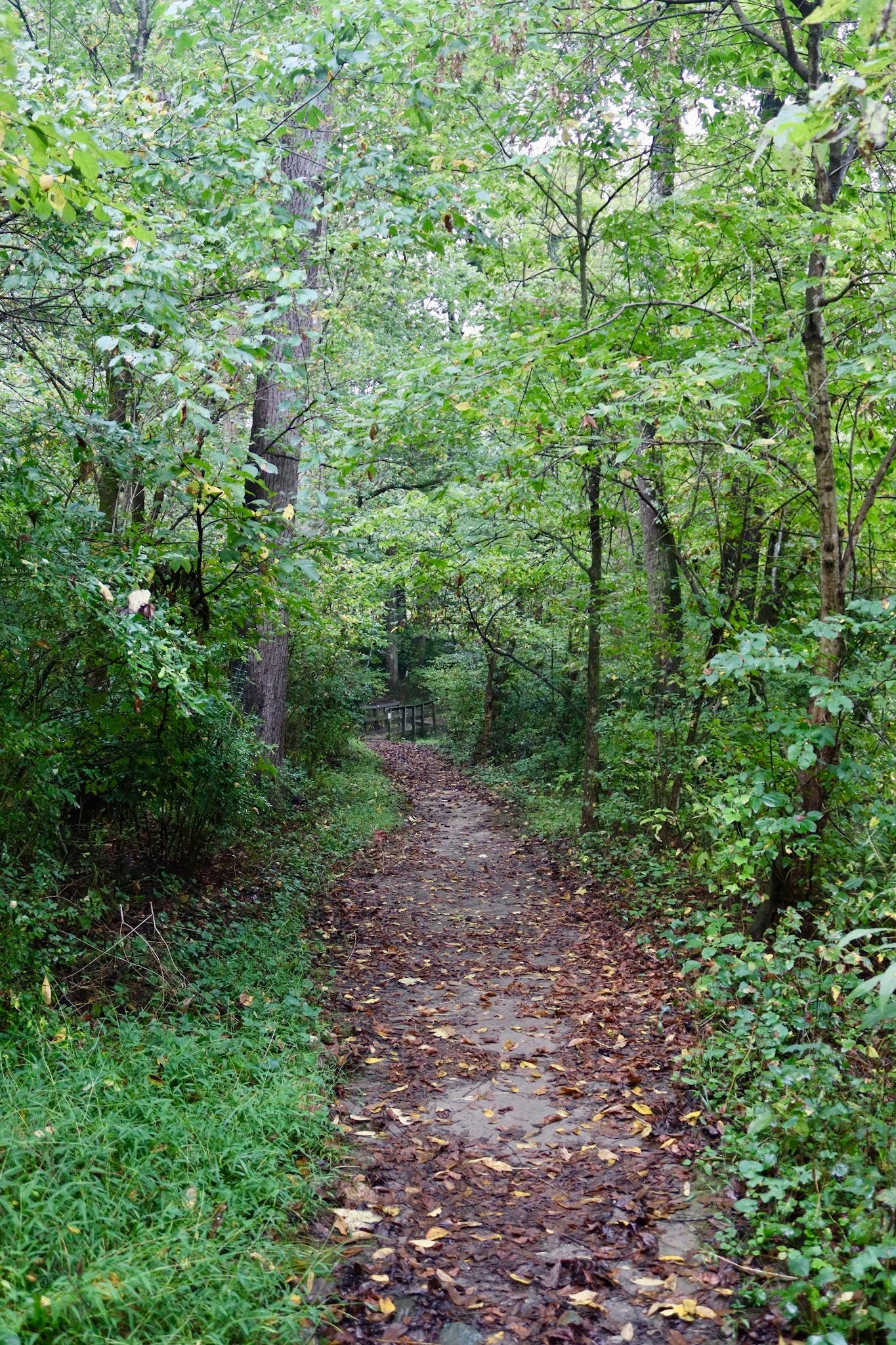
Lisa’s team of naturalist-librarians makes frequent use of these materials in their wide-ranging and unique programming. At Shuts, children encounter the environment with all of their senses. At birding workshops, they learn how to listen for different calls, such as the nocturnal cries of local Eastern Screech Owls and Great Horned Owls. Armed with magnifying glasses and clipboards, the staff guide groups as they smell, touch, and inspect their way across the crisscross web of trails that reach out from the back of the building. The library also runs an annual “Walnut stomp,” where local families harvest black walnuts from the park, place them in tubs, and stomp them with their feet until the nuts’ fleshy outer husks split and fall away.
But according to Lisa, the best way to engage children with the natural world is with their taste buds. Every February, the library organizes maple tapping, a popular festival where community members can come to the park to participate in harvesting sap from the trees, which is then made into syrup. “You touch the stuff. You smell the stuff. You see the stuff. You taste the stuff,” Lisa said of the syrup. “That experience connects you to the land and to a long Pennsylvanian history of maple tapping, which is part of our identity.” However, Shuts’ most popular program requires a more adventurous appetite. “Edible Insects” uses small plates of Madagascan cockroaches and eastern subterranean termites to inspire shrieks, groans, and roars of laughter in the name of learning. “We have had particularly high engagement from teenage boys, who are sometimes a difficult group to get excited about environmental education,” Lisa told us. The program begins with an interactive talk about insects and their dynamic ecosystems, but it quickly turns to address the question burning on all the children’s minds: Who can eat the most crickets?
Over the past decade, Shuts’ programming has proven so popular that the library has begun booking birthday parties and private workshops, which help to generate revenue for a range of county services. Schools from across the state have visited and even hired the naturalists to come to them.
But in June of this year, Shuts Environmental Library was temporarily closed. During our visit, we were warned that the county administration had repeatedly threatened to cut funding to the library, in light of the Trump Administration’s decision to cut all federal funding to the Institute of Museum and Library Services. Yet, this April, the American Library Association won a historic legal victory, blocking the administration’s attack on public libraries through the federal courts.
When we called the library, we were told that it had closed due to “staff shortages,” but they expected to reopen sometime in the fall or winter. During our visit, the full and vibrant team of staff were worried about their job security, because the library was not being recognised by the Lancaster County government as an “essential service,” like the prisons or the schools.
Whether Shuts reopens this year or next, its temporary closure raises a larger question about what we mean when we call a public service “essential.” On paper, a one-room environmental library tucked inside a county park might be easy to regard as an extra. But the countless children, parents, and teachers who have visited know, as we do, that the library’s alternative approaches to environmental education are enriching lives and cultivating young minds. At a time when the consequences of climate change are becoming harder to ignore, teaching children to understand and care for the natural world has never been more urgent.
~
Oliver Jakes
To read more stories from America’s public libraries, subscribe to our Substack below, visit our website, and follow us on social media.
Such a gem of a place – wish there were more. Lovely how Shuts was so made so tangible through your writing.
Great article - edible insects coming to my neighborhood restaurant anytime soon ?